When buyers search for a home, the first showing usually happens online. Listing photos need to communicate the home’s scale, flow, and potential before a buyer ever schedules a tour.
That makes the question of virtual staging vs. real staging especially relevant for Tulsa sellers and real estate professionals.
Virtual staging can add digital furniture to listing photos. Real staging brings carefully selected furniture, artwork, rugs, lighting, greenery, and décor into the home itself.
Both approaches can improve a vacant room’s presentation. But they create very different buyer experiences.
For most vacant Tulsa listings, real, physical staging offers the more complete solution. It supports stronger listing photos while also helping buyers connect with the home when they walk through the door.
What Is the Difference Between Virtual and Real Staging?
Virtual staging is a digital editing process. A photographer or editing team takes an image of an empty room and adds furniture and décor to the photograph.
The room remains empty in person. Buyers see the staged design online, but they experience the actual vacant space during a showing.
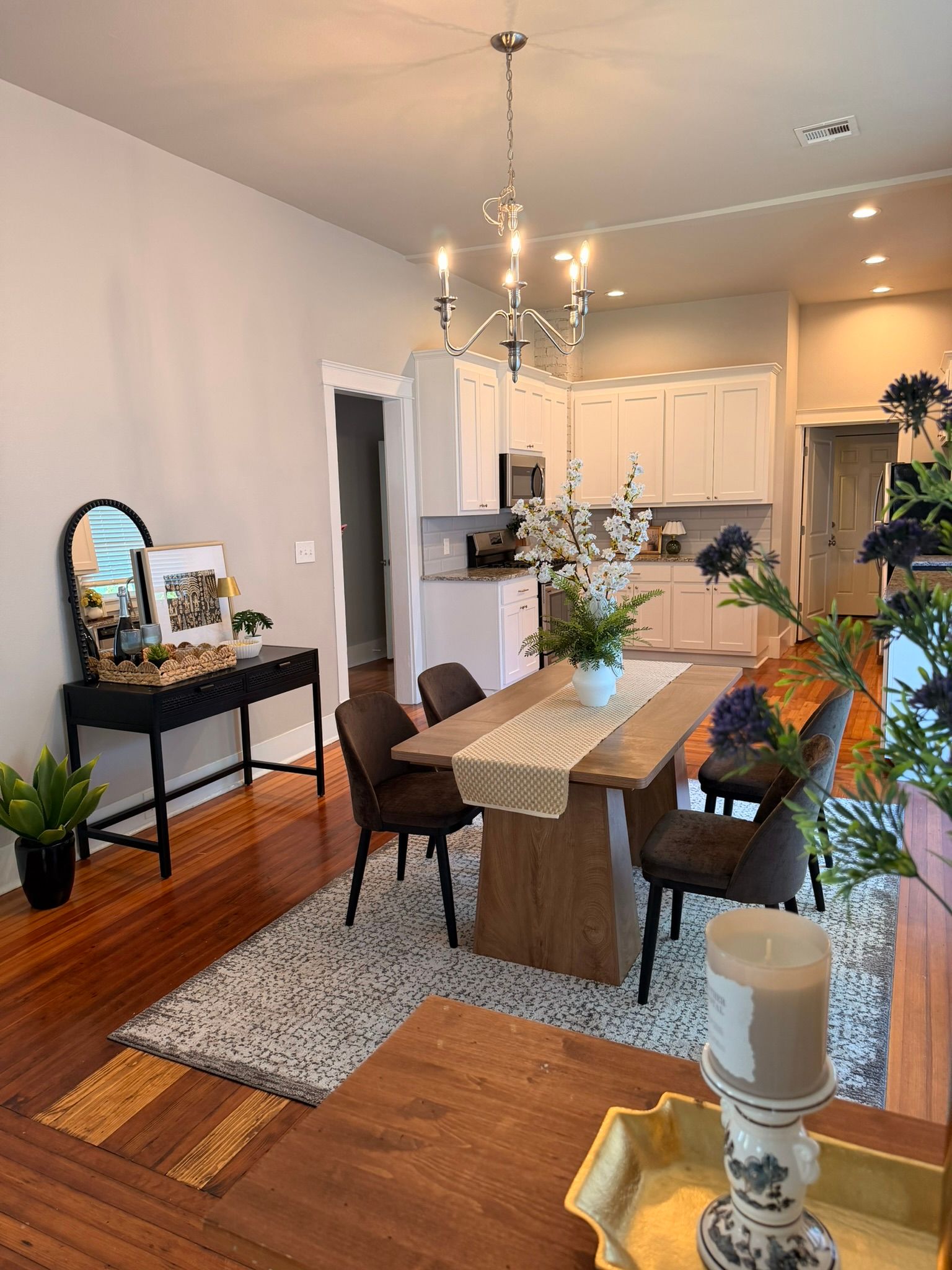
Real staging uses physical furnishings and accessories to prepare the property before photography and showings. Buyers see the same curated environment in the listing photos and in person.
That consistency matters. When a buyer walks into a room that looks and feels like the photos, the experience is more cohesive and reassuring.
Virtual staging can show a room’s possibilities. Real staging helps buyers understand how the room actually lives.
Why Do Listing Photos Matter So Much?
Today’s buyers often decide which homes to visit based on the first few photographs they see online. Empty rooms can be difficult to interpret, especially when the home has open layouts, unusual proportions, or large spaces without an obvious function.
The National Association of Realtors’ 2025 Profile of Home Staging found that 83% of buyers’ agents said staging makes it easier for buyers to visualize a property as their future home.
That visualization begins with photography.
Thoughtful staging gives the camera more to work with:
- Furniture establishes scale.
- Rugs define living areas.
- Artwork creates focal points.
- Lighting adds warmth and dimension.
- Greenery brings life to quiet corners.
- Accessories help the home feel considered rather than unfinished.
Professional staging also helps guide the eye through the property. A well-furnished room can show how spaces connect and how buyers might use them day to day.

Where Does Virtual Staging Fall Short?
Virtual staging can be useful in specific situations. It may help an agent present a vacant property online or show a possible layout when physical staging is not practical.
However, there are limitations.
Digital furniture does not change the experience of the home itself. Buyers cannot walk around a virtual sofa, understand the true scale of a bed, or see how a dining table affects the room’s flow. They also cannot experience the textures, light, and visual balance that physical furnishings bring to a space.
There can also be a gap between expectation and reality. A buyer may arrive expecting a furnished, welcoming room and find an empty space instead.
If virtual staging is used, transparency is essential. Digitally altered images should be clearly identified, and the property should be accurately represented. The National Association of Realtors’ guidance on listing photos emphasizes the importance of avoiding images that materially misrepresent a home.
The goal is to help buyers understand the property: not create a version of it that does not exist.
Why Does Real Staging Create a Stronger Buyer Experience?
Real staging works across the entire selling process.
It improves the listing photos, but it also supports the in-person showing. Buyers can move through the rooms, notice the proportions, and imagine their belongings within a finished setting.
Physical staging is especially helpful when a room needs context. A large living area may feel disconnected when empty. A narrow room may seem difficult to furnish. A separate office may be overlooked without a clear purpose.
The right furnishings make those spaces easier to understand.
A thoughtfully staged room can show buyers:
- Where a seating arrangement might go.
- How much furniture the space can comfortably hold.
- Which architectural features deserve attention.
- How one room flows into the next.
- How the home could support everyday life.
That sense of possibility is difficult to create through photographs alone.

What Makes Physical Staging Effective in Tulsa?
Tulsa homes have a wide range of architectural styles, layouts, neighborhoods, and buyer preferences. A successful staging plan should respond to the specific property rather than apply the same look everywhere.
The design should feel current but not overly tied to a short-lived trend. It should complement the home’s finishes, highlight its strongest features, and remain welcoming to a broad group of buyers.
That is where the judgment of an experienced staging team becomes important.
At Maude Staging, lead designer Mari Velasquez directs the creative approach for each home. Her eye for scale, color, and detail helps determine what a room needs and what it does not.
A smaller room may need lighter furnishings and a restrained arrangement. A large open space may benefit from layered zones that clarify how the area can be used. A home with strong natural materials may call for textured textiles, warm wood tones, and simple accessories that support rather than compete with the architecture.
Because our furniture and décor come from The Maude Collection, we can curate each installation as a complete, cohesive design.
Which Rooms Should Be Staged First?
If the entire home does not require the same level of attention, the main living spaces are usually the best place to begin.
According to NAR’s staging research, buyers’ agents most often identify the living room, primary bedroom, and kitchen as the spaces that help buyers visualize the property.
These rooms have different jobs:
The Living Room
The living room often establishes the feeling of the home. Furniture placement can define the room’s purpose, emphasize natural light, and create a comfortable sense of flow.
The Primary Bedroom
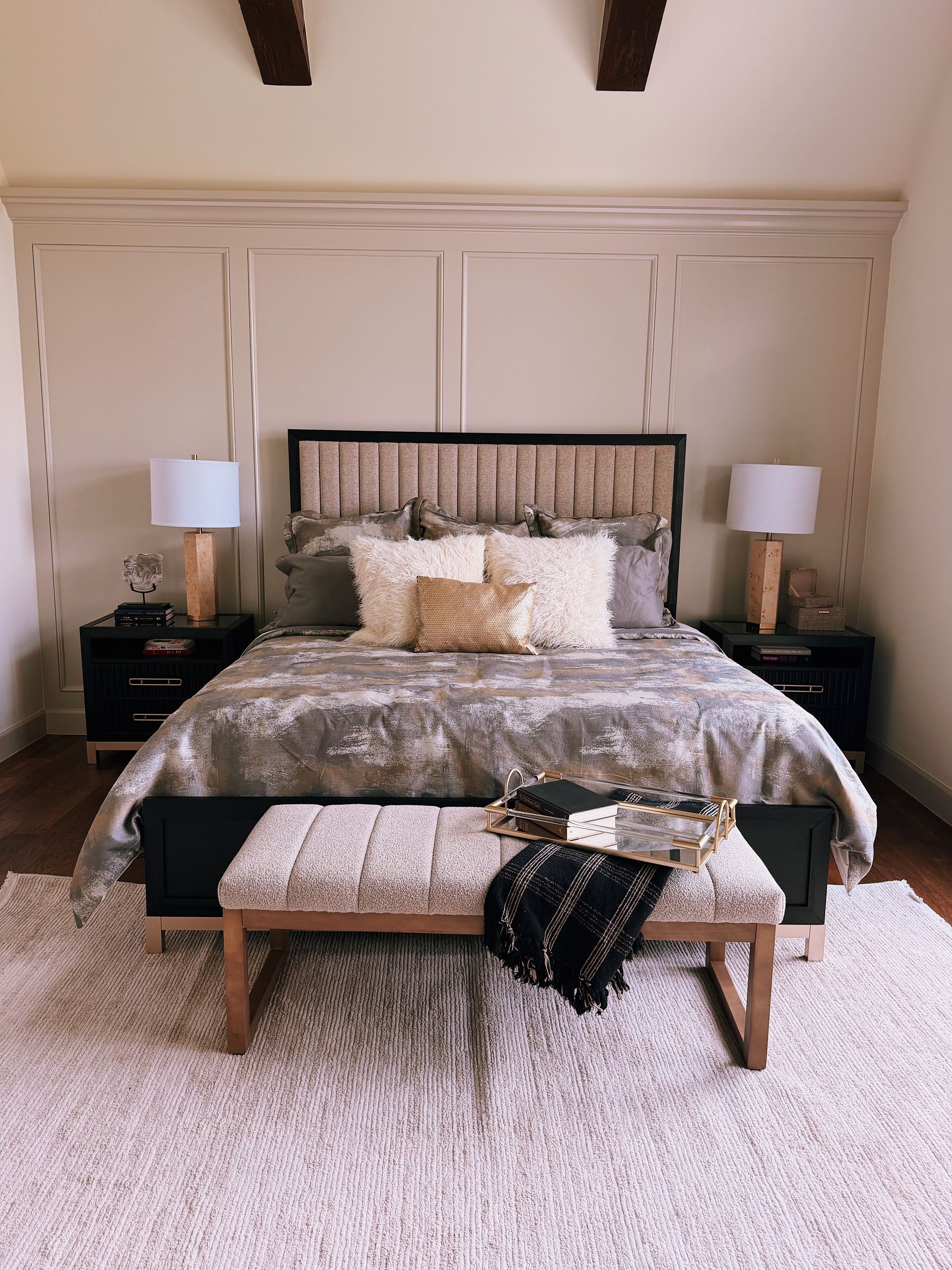
A staged primary bedroom should feel calm, spacious, and restful. The right bed, nightstands, artwork, lighting, and textiles help buyers understand the room’s scale while creating an inviting impression.
The Kitchen
Kitchens benefit from simplicity and warmth. Carefully selected lighting, greenery, counter styling, and nearby dining furnishings can help the space feel functional without appearing cluttered.
Other rooms may also deserve attention depending on the property. An office, entryway, dining room, or bonus room can become an important selling feature when its purpose is clearly communicated.

What Should Agents and Sellers Look for in Tulsa Home Stagers?
When comparing Tulsa home stagers, look for a team that can manage both design and execution.
A polished staging plan depends on more than selecting attractive furniture. It requires careful measurements, an understanding of the property, thoughtful placement, reliable scheduling, and attention to the final details before photography.
It also helps to choose a staging studio with its own collection. In-house inventory allows the design team to make selections that work together and adjust the plan to the home’s specific needs.
At Maude Staging, we manage the process from start to finish:
- We learn about the property, timeline, and listing goals.
- We create a tailored staging plan for the home.
- We select furniture and décor from our curated collection.
- Our dedicated moving team completes the installation.
- We make sure each room is ready for photography and showings.
- When staging is no longer needed, we coordinate removal with the same care.
Our real estate perspective also informs the process. Marisa Velasquez helps connect design decisions with the way buyers evaluate a listing, so the finished presentation feels both beautiful and purposeful.
So, Which Is Better for Your Tulsa Listing?
Virtual staging can be a helpful digital marketing tool. It may give buyers a quick sense of how an empty room could be furnished, particularly when used carefully and disclosed clearly.
But if you want the most consistent experience: from the listing photos to the final showing: real staging offers more.
Physical staging:
- Shows buyers the home as it truly appears.
- Creates an emotional connection in person.
- Communicates scale and function.
- Gives photographers real depth, texture, and dimension to capture.
- Helps the listing feel cohesive across every step of the buyer journey.
- Supports a polished, market-ready presentation.
For sellers and agents searching for real estate staging in Tulsa, the strongest approach is one that considers both the camera and the person walking through the home.
A listing should photograph beautifully, but it should also feel natural when buyers arrive.
Ready to Talk Through Your Listing?
Every home has a different layout, audience, and timeline. We’ll help you understand what kind of staging will support your property and prepare it for the market.
Get in touch with Maude Staging to share a few details about your Tulsa-area listing. We’ll review the home, talk through the next steps, and create a customized plan with care and clarity.
You can also call or text us at 918-513-1583, or email info@maudestaging.com.
Frequently Asked Questions
Is virtual staging the same as real staging?
No. Virtual staging digitally adds furniture and décor to listing photos, while real staging places physical furnishings inside the home. Virtual staging affects the online image only. Real staging supports both photography and in-person showings.
Do buyers prefer virtually staged or physically staged homes?
Preferences vary, but physical staging gives buyers a more consistent experience. They can see the furniture in the listing photos and then experience the same arrangement during a showing.
Should virtually staged photos be disclosed?
Yes. Buyers should be told when listing images have been digitally altered. Clear disclosure helps maintain trust and ensures expectations match the home buyers will visit.
What are the best home staging tips for a vacant property?
Begin with the rooms buyers use most often, including the living room, primary bedroom, and kitchen. Use furniture to establish scale and flow, then add restrained layers such as rugs, artwork, lighting, greenery, and textiles.
Do Maude Staging installations include furniture and décor?
Yes. Our vacant home staging service includes curated furniture, artwork, rugs, lighting, greenery, and decorative accessories selected specifically for the property. We also handle complete installation and removal with our dedicated moving team.